Art by AI: What It Reveals About What We Really Want
When you scroll through a feed packed with AI-generated art, it’s hard not to notice a recurring set of themes: ultra-high detail, nostalgic realism, fantastical scenes, charismatic robots, and (of course) more cats than you’d see at a veterinary conference. But what does this say about us as creators, viewers, and curators? The answer: more than you might think. AI isn't just a tool; it's a mirror—one that reflects our collective appetite for the beautiful, the impossible, and the delightfully absurd.
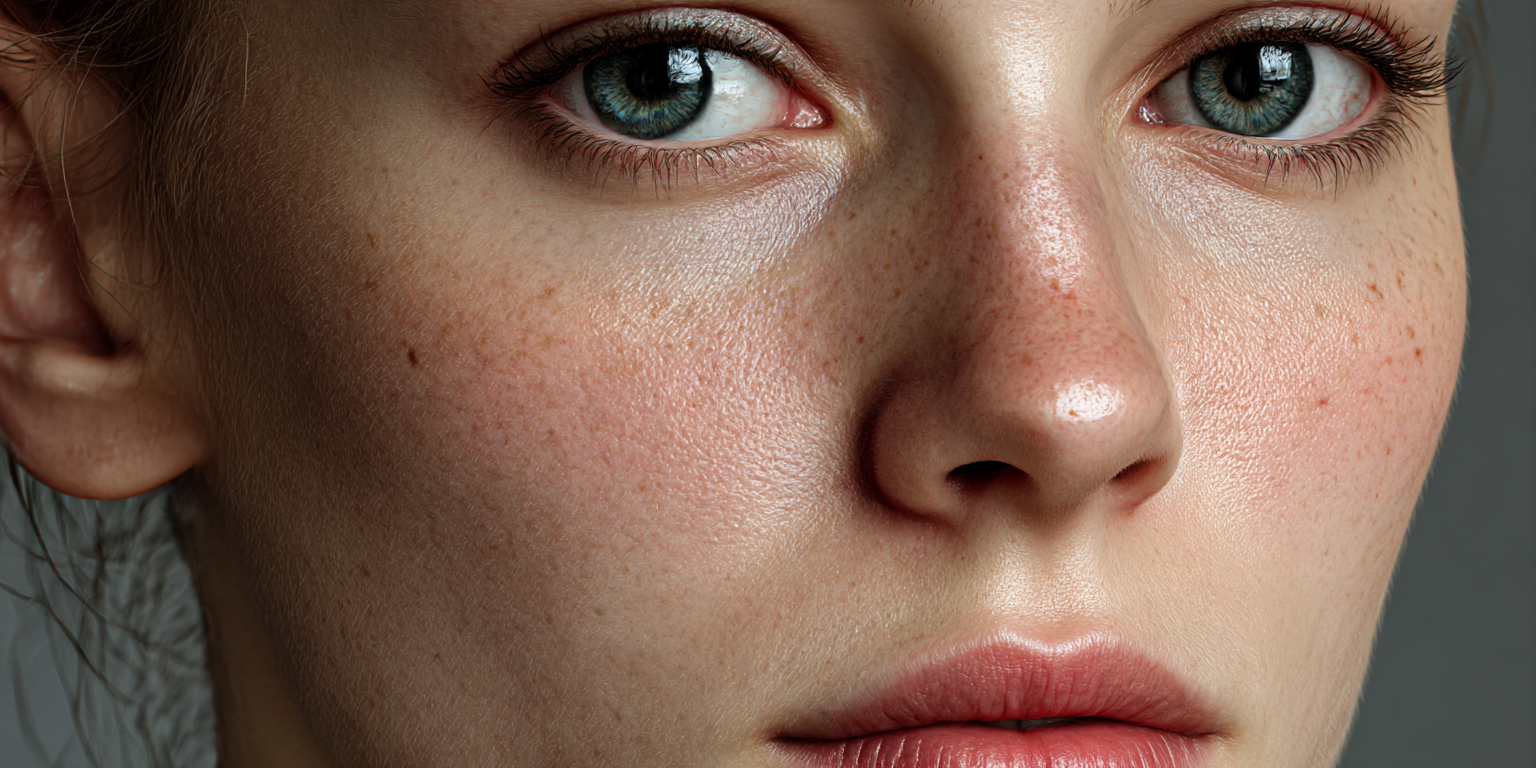
Why We Gravitate to Realism and High Detail
As soon as generative models became good at creating faces, crowds immediately wanted more: sharper eyes, defined pores, photorealistic lighting, and micro-textures only a beauty editor—or a neural network—could love. But it’s not just technical showmanship. We crave the comfort and credibility of realism because it reassures us: “Yes, the machine can see my world.” It’s the oldest trick in visual art, updated for the age of GANs and stable diffusion.
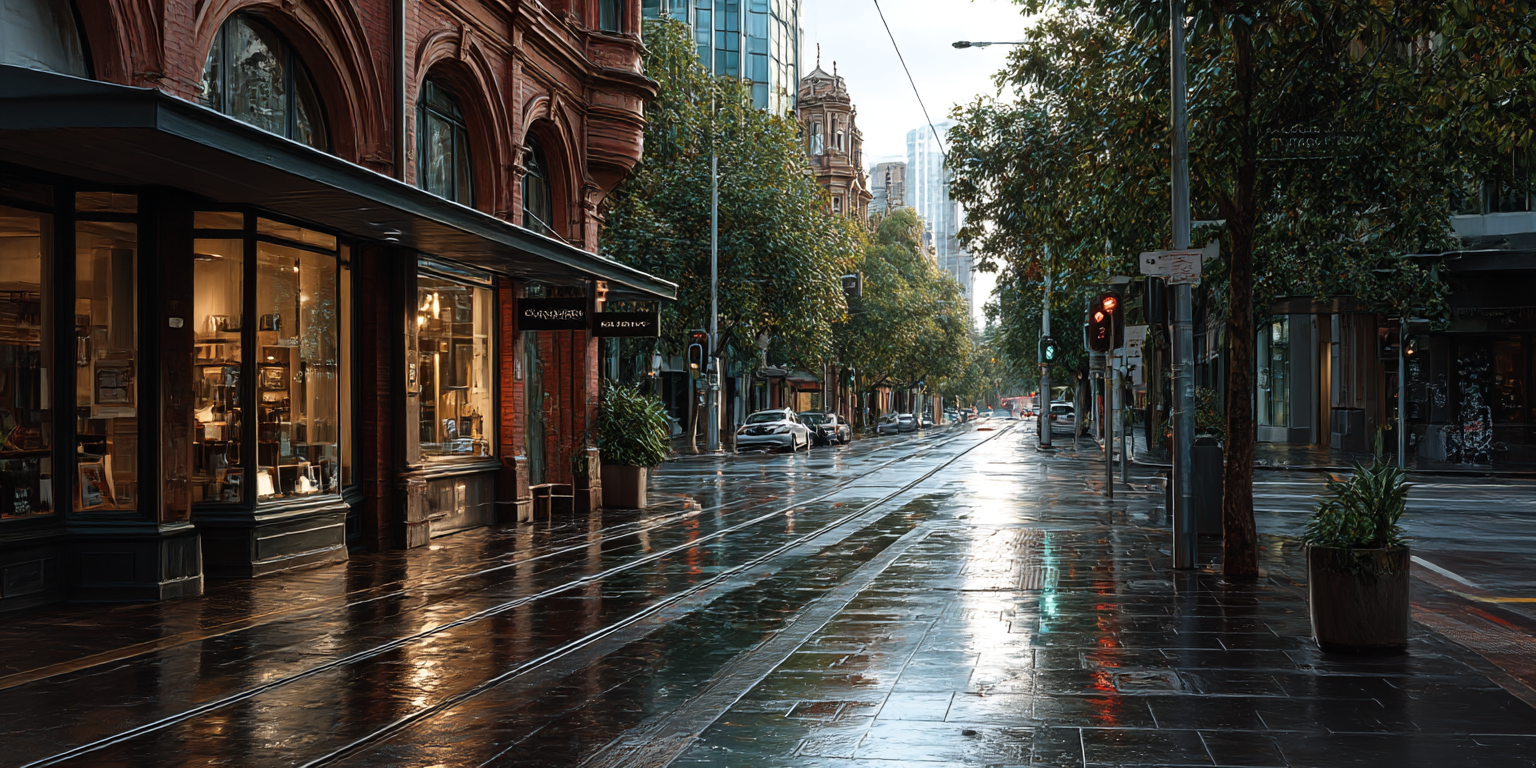
But We Also Love Escapism—Bring on the Fantasy
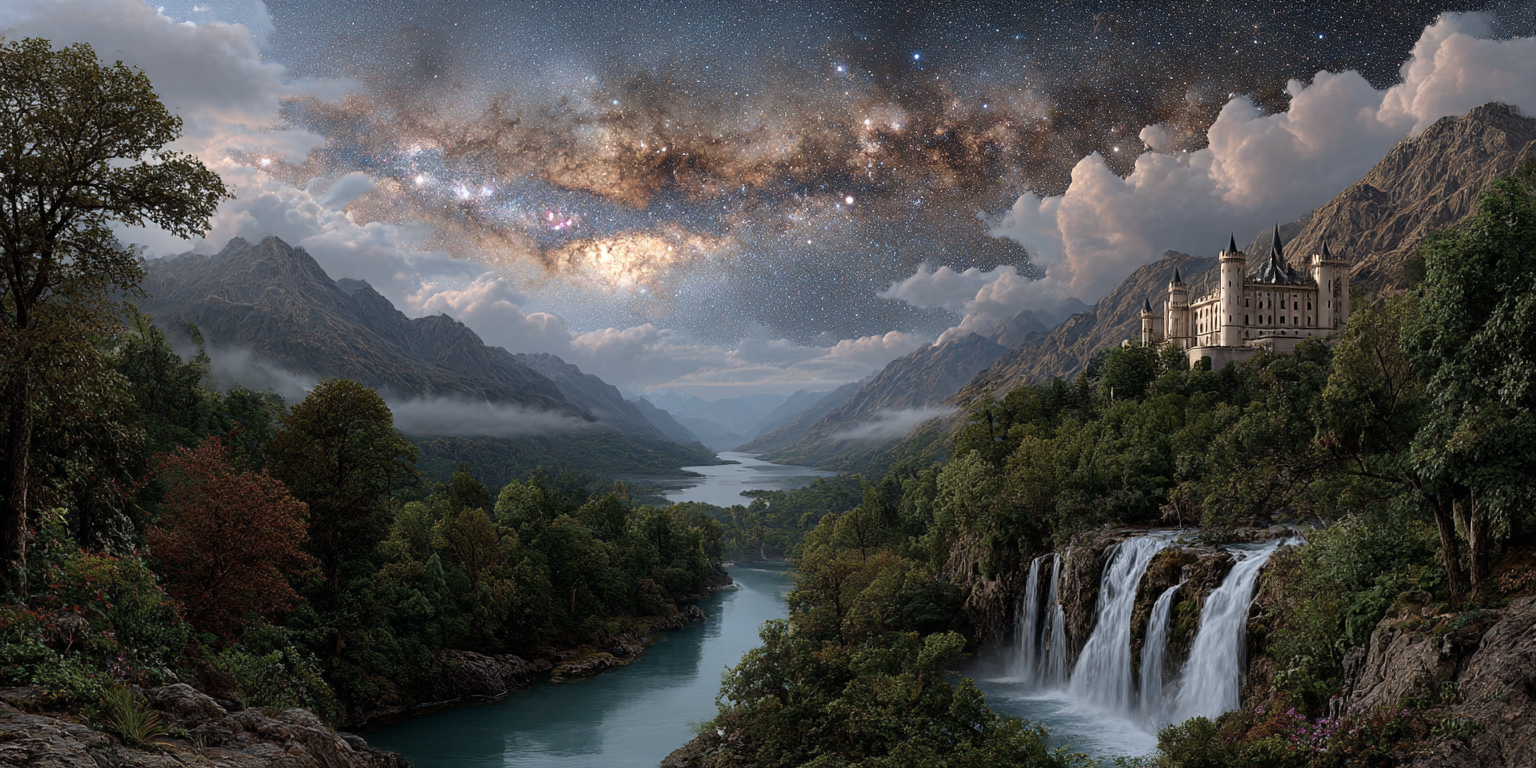
For every photo-like portrait, there are a dozen glowing dragons, fairy queens, or roaring nebulae. AI art flourishes when it bends reality, and so do we: 2020s fantasy is about impossibly lit castles, sci-fi cityscapes, and epic mountains you could never visit. Behind each prompt is an unspoken hope: show me something beautiful the real world can’t deliver.
The Age of Robot Charm (And a Dash of Cat Obsession)
Why so many robots, androids, and synthetic animals? Because they’re the perfect blend of novelty and accessibility. Robots are self-referential mascots—they reassure us that the machine is friendly, even as it grows more capable. And cats? The internet’s favorite muse has officially entered the AI lobby; nearly every art generator is littered with high-res felines, majestic or meme-ish.
-
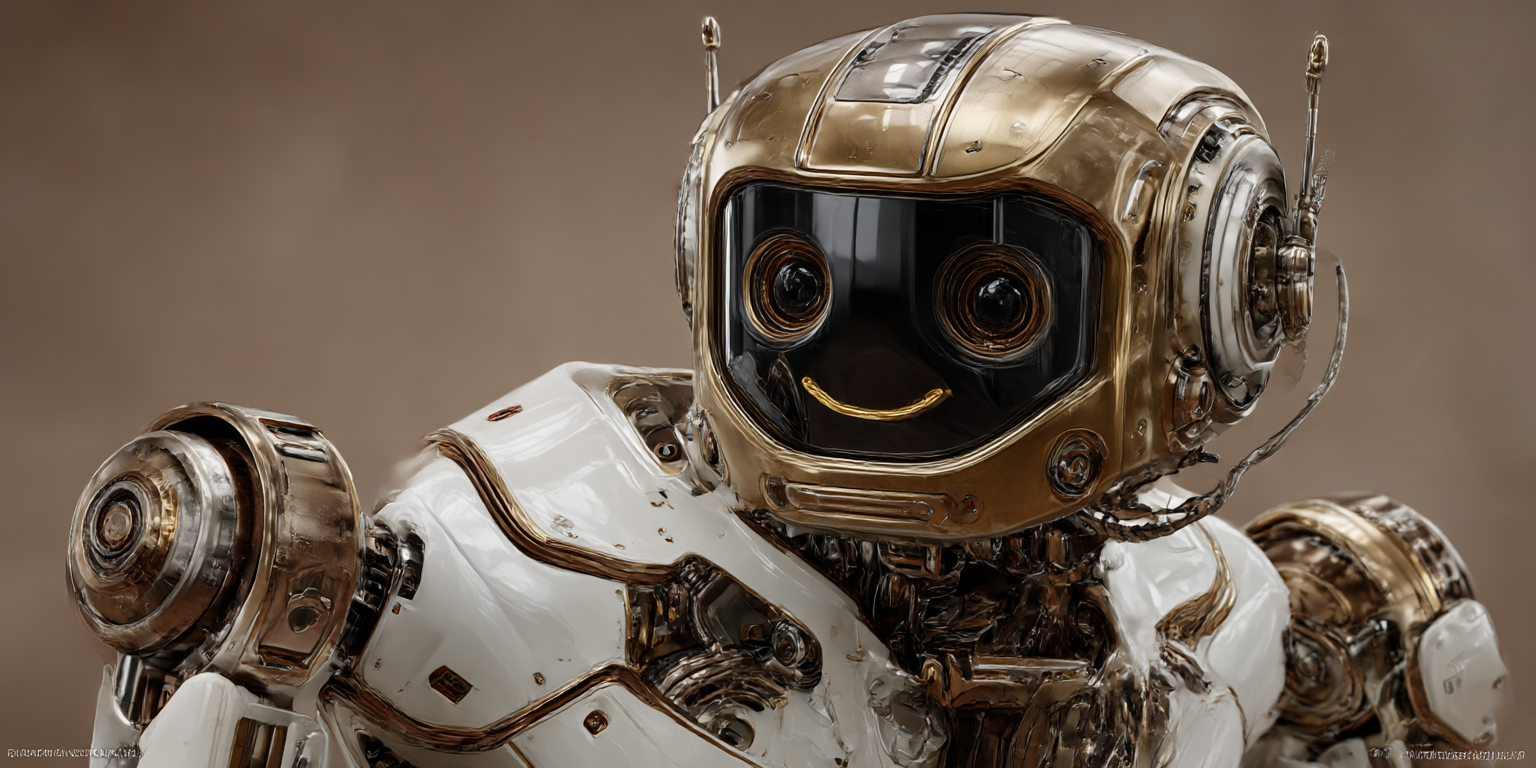 Charismatic AI robot: a reflection of our hope for playful, not menacing, technology.
 -
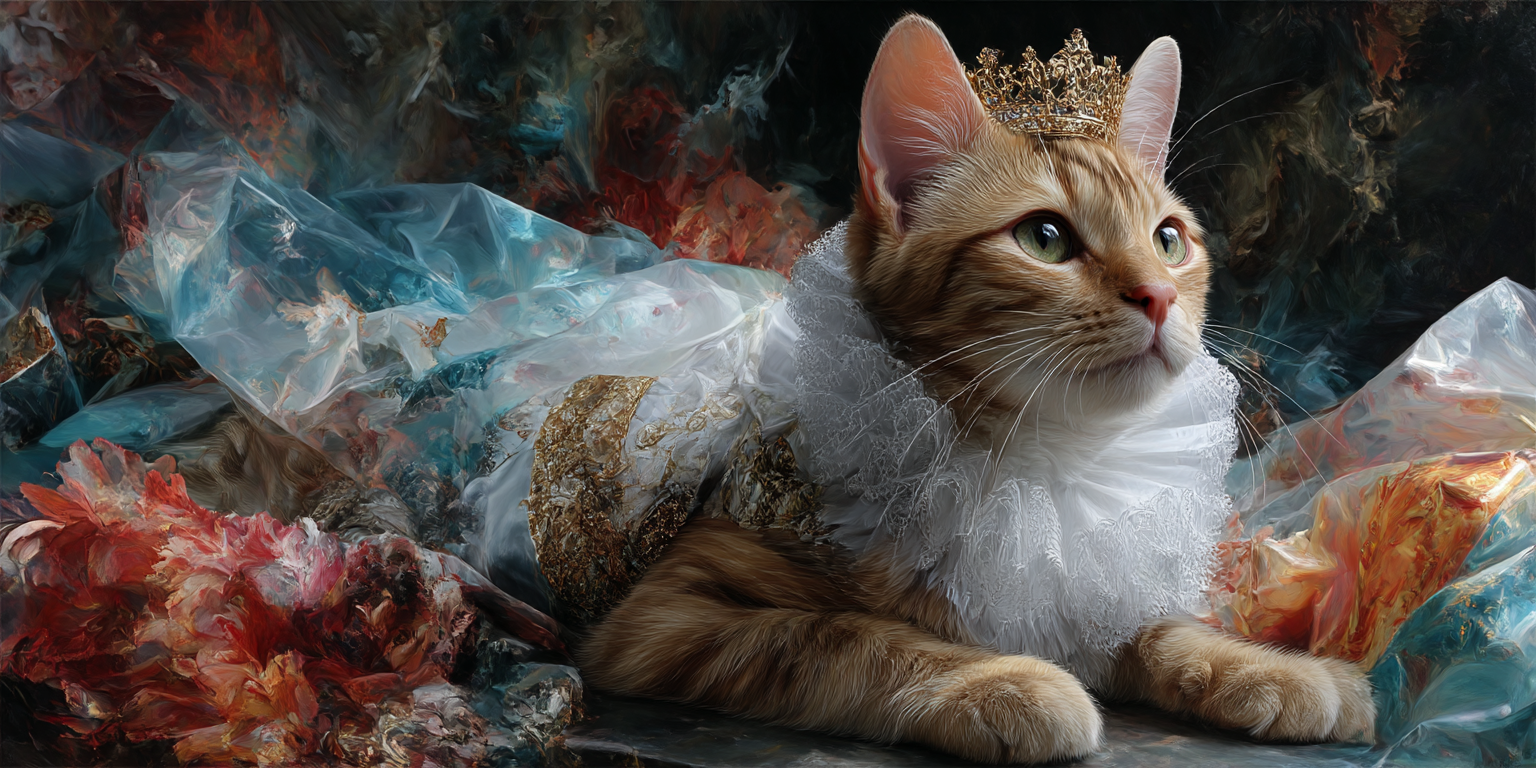 AI-generated cat, somewhere between meme and masterpiece, eternal monarch of online taste.
What Our AI Tastes Say About Us
Whether we prompt for baroque detail, escapist fantasy, robotic companions, or perfect cats, we’re signaling two things: first, a longing for technical mastery—proof that the AI can master not just the surface, but the spirit of what we love; second, a stubborn need for delight and wonder amid the otherwise flat world of digital repetition.
AI art isn’t just about “what you can make.” It’s a continuously evolving evidence base of what grabs our attention, tugs at our nostalgia, and lets us imagine. Audiences vote for fantasy and hyperrealism because they fulfill complementary needs: comfort and surprise, reflection and escape, the world as it is and the world as we wish it could be.
Conclusion
Let’s give AI the last word: when asked what humans want from art, the answer is clear. We want amazement, beauty, and a little mischief. We want technique and poetry, and often, we want cats and robots too. Whatever the machinery, one longing persists—to be surprised and delighted.
Image Credits: Some images were generated or sourced from different users on popular AI image generation platforms and are used here for illustrative purposes only.
← Back to Satire & Art Blog Menu