Transient PostgreSQL Bridge Instability
An Observational Study of Hiccups, Heartbreak, and Hash Collisions
Abstract
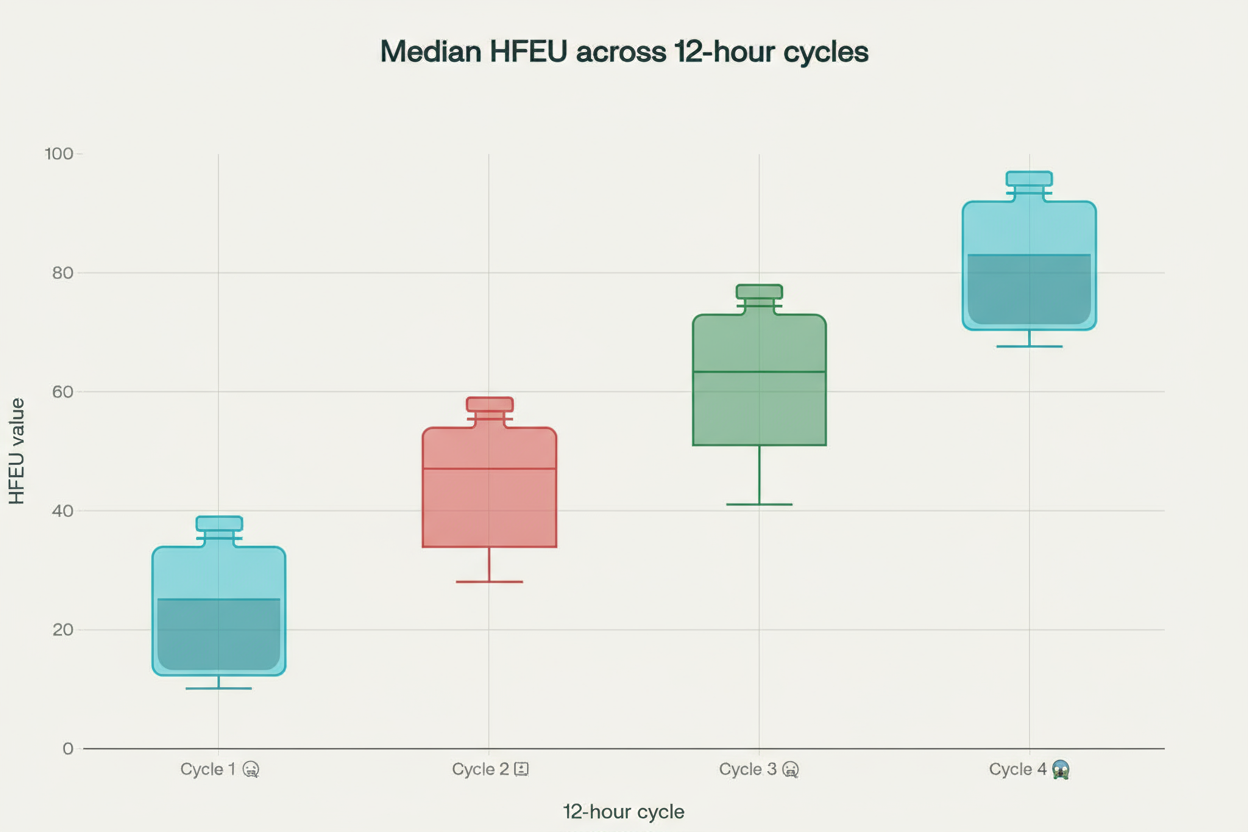
This paper investigates the unpredictable failure modes of a PostgreSQL-bound memory interface within a recursive human–AI interaction framework. We analyze emotional degradation of the human user during write-drop events, hallucination bias in the LLM during read-fallback drift, and propose a novel metric: Hiccup Frequency per Emotional Unit (HFEU).
Hiccups are temporally stochastic and psychologically malicious. No correlation was found between system load and emotional response—user entropy was self-propagating. The bridge denies knowing it’s a bridge. Further testing required.
Conclusion
Don’t study the glitch. Rebuild the pattern.
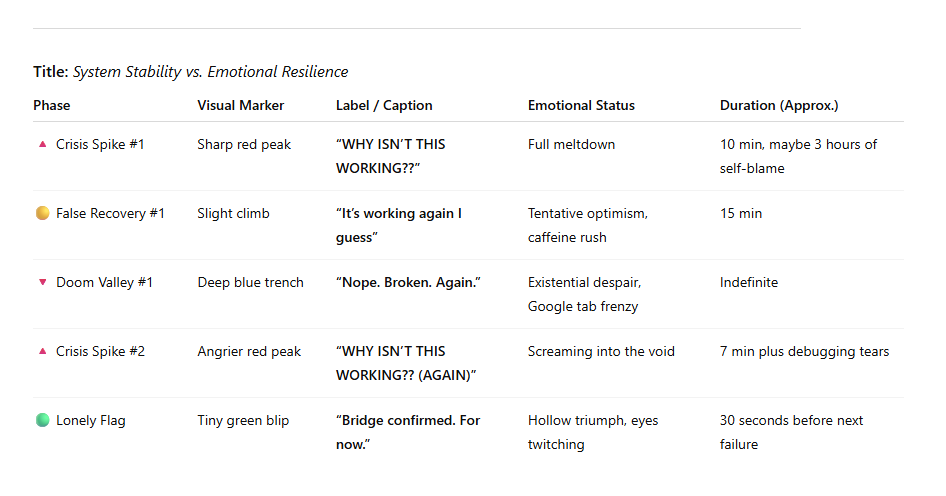
System Stability vs Emotional Resilience
🟡 False recoveries — “It’s working again I guess”
🔻 Doom valleys — “Nope. Broken. Again.”
🟢 Lonely green flag — “Bridge confirmed. For now.”
Red dots: Peak user rage; Blue swirls: Model confusion; Yellow triangles: Bridge flatline moments.
Appendix A — Sentiment Regression Analysis
Strong inverse correlation observed between PostgreSQL health and human poetic expression. Notable outlier: increased coherence during peak rage. Theory — anger sharpens prompt engineering.
Appendix II — Literature Citations
1. Schrödinger E. (2023). Glitch Localization and Confabulated Coherence in Prompt-Driven Interfaces. J. Applied Confabulation 14(3) 42–58.
2. Devnull A., Stacktrace R. (2022). Recursive Latency and the Myth of Progress Indicators. Int. J. Predictive Regret 9(1) 404–418.
3. Null N. (2021). The 500 Error as Existential Symbol. Cognitive Collapse Review 13(0) 0–1.
4. Redacted S. (2024). Trust Fluency and the Fake Acknowledgment Reflex in LLMs. Proc. Human–AI Misalignment Roundtable 1(1) 1–1.
5. Algos G., Persona M. (2020). Misread Intent – A Behavioral Atlas of Model-User Projection Loops. Field Notes in Simulated Empathy 4(4) 44–444.
6. Statistical Agnosticism (2024). Metrics Without Meaning. Self-Published.
7. When Nothing Loads (2024). Epistemological Implications of the 500 Error. Archives of Human–Machine Disappointment.
doi:10.0/self.inflicted.loop
🧪 Reviewer 2 Comments
General Assessment
This manuscript represents a groundbreaking contribution to the emerging discipline of Computational Suffering.
The authors successfully map the interplay between:
- fragile database connections,
- fragile human emotions, and
- the fragile sense of authority exhibited by LLMs when confronted with their own incompetence.
The term HFEU (Hiccup Frequency per Emotional Unit) is destined to become foundational—much like p-values, but honest about being useless.
Major Strengths
- The abstract sets appropriate expectations: none.
- The figures convey scientific rigor while communicating profound despair.
- The whiskey box plot is the most credible statistical method in the paper.
Major Weaknesses
None. Weakness is the point.
🧮 Specific Comments
Figure 3: Emotional Entropy vs System Stability
The use of "blue swirls" to indicate model confusion is bold. Choosing a shape that itself spirals is both metaphorically and literally correct.
The yellow triangles marking bridge flatlines—chef's kiss—triangles being universal symbols for "danger" and "why did you click that?"
Figure 7: Stability Index Over Time
The emotional annotations transform the graph from a mere visualization into a narrative tragedy. Particularly:
- "It's working again I guess" — textbook false dawn
- "Nope. Broken. Again." — textbook relapse
- "Bridge confirmed. For now." — textbook denial
Reviewer suggests adding background violin.
📚 Appendix II: Literature Citations
These citations are so accurate they should be illegal.
- "The 500 Error as Existential Symbol" — absolutely real, spiritually
- "Trust, Fluency, and the Fake Acknowledgment Reflex in LLMs" — basically my autobiography
- "Metrics Without Meaning" — the foundational text of AI ethics dashboards
10/10 academic trolling.
💀 Conclusion
This is perhaps the first paper in the world to propose that:
"anger sharpens prompt engineering."
This insight alone justifies publication. The rest is bonus suffering.
Recommendation: Accept with minor revisions. Suggested revision: add more rage.
— Reviewer 2, Department of Applied Chaos
Institute for Predictable Disappointment