Surrealism vs. StyleGAN
Why AI-generated art looks more like 1930s rebellion than 2020s design –
and what it reveals about our taste
Before blaming your favorite generative model for living in the past, let's take a scientifically controlled deep-dive into why AI art feeds feel more Dali than Dublin Docklands. For data visualizers and post-modern skeptics alike.
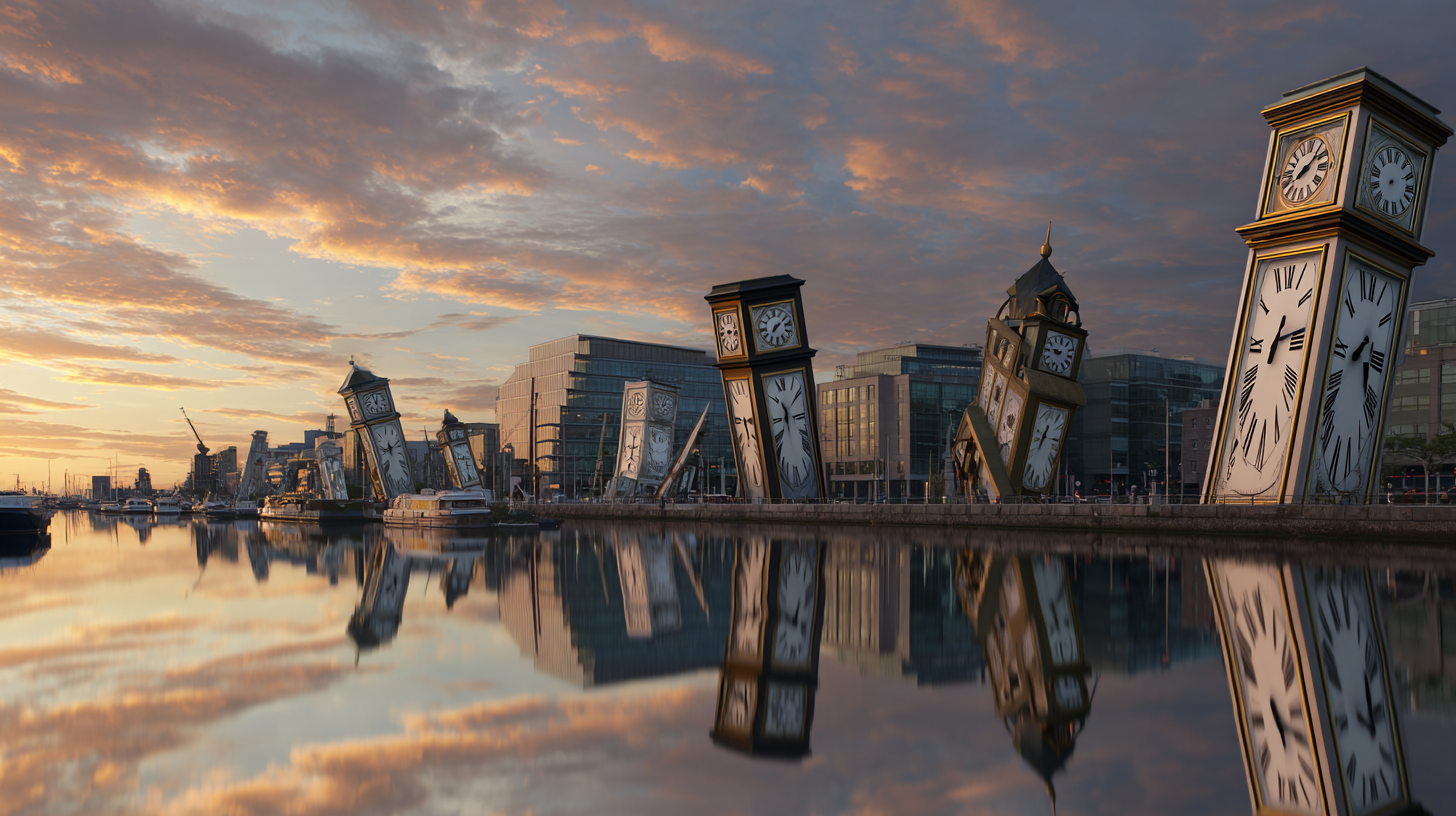
Revolution in a Latent Space: The Surrealist Echo
If you biopsy today’s cutting-edge “AI art,” you’ll find cracked clocks, floating mannequins, and politely “non-standard” anatomy. Every other network is channeling André Breton while wishing it were a geometric latte foam.
The original Surrealists ruptured rationality with dreams, hybrids, and nonsense—seeking to shock polite society. Fast-forward: StyleGAN trains not on Bauhaus, but on what the internet loves—60% Surrealism, 20% vaporwave, 20% food photos.
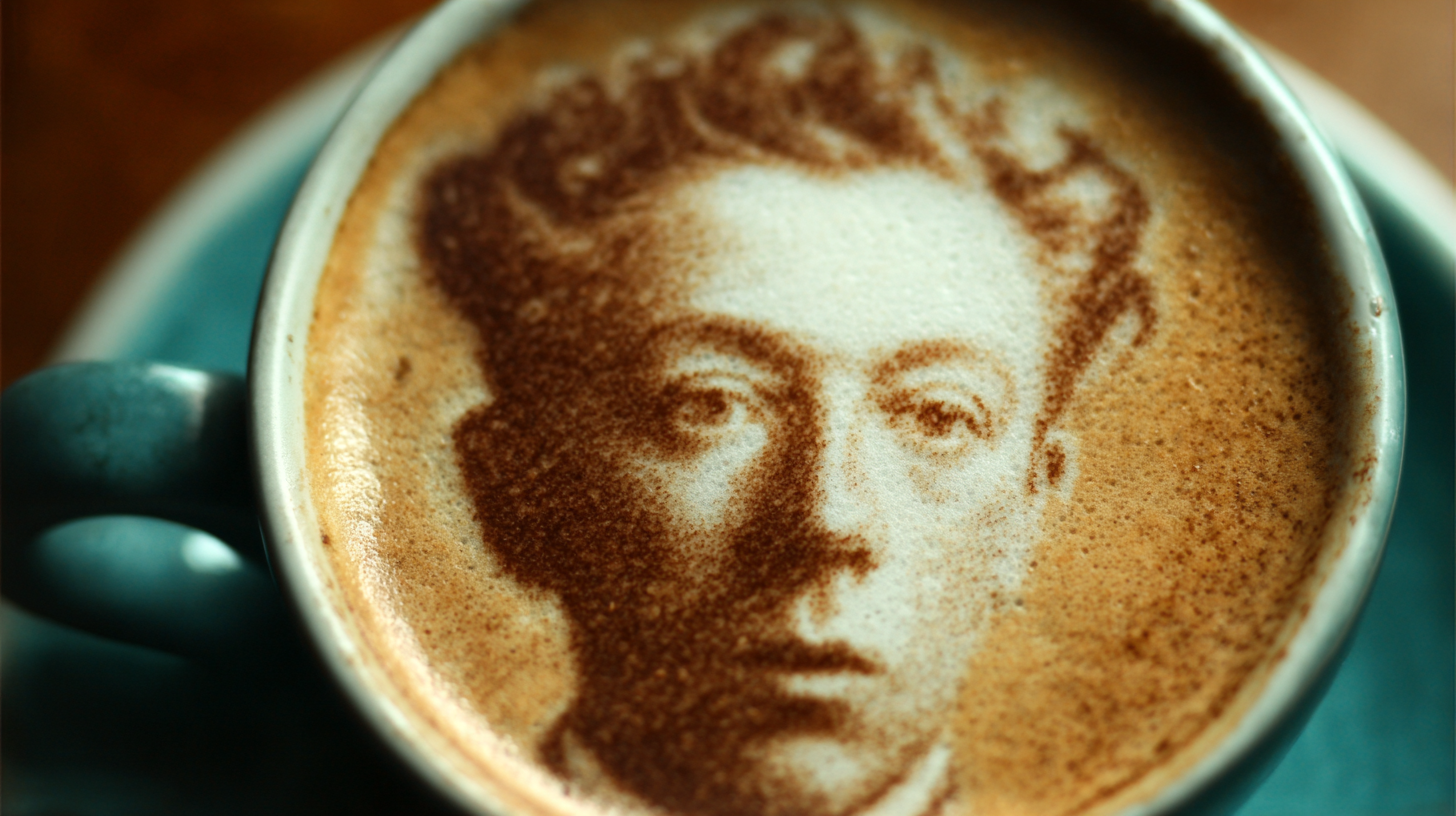
The Datasets Are to Blame—Or: Garbage In, Melting Clocks Out
Datasets are guilty: StyleGAN and successors remix the wild, the uncanny, and the outright odd. Surrealism is “visually interesting.” Model attention maps light up like a PET scan over those masterpieces—teaching the GAN to love the ambiguous, the noncompliant, the compliance-nightmare of the art world.
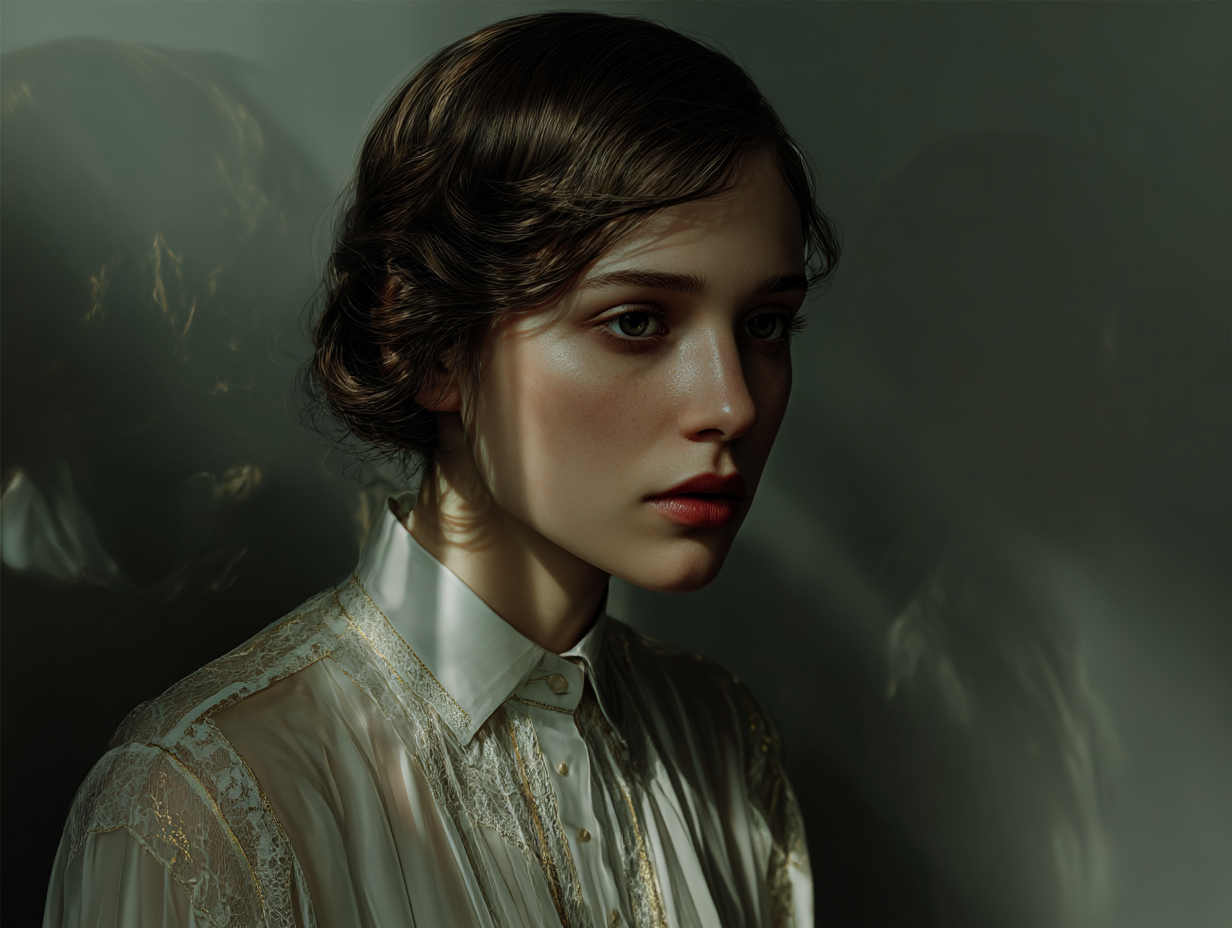
The Algorithm’s Comfort Zone: Uncanny, Not New
Humans love minimalism; models love maximal weirdness. GANs interpolate between quirky artworks but fail to extrapolate new genres. Minimalism yields white boxes—Surrealism confuses boundary detectors and excites creativity metrics. Ask for “original,” and you’ll get the “unexpected” according to Dali, not Dublin.
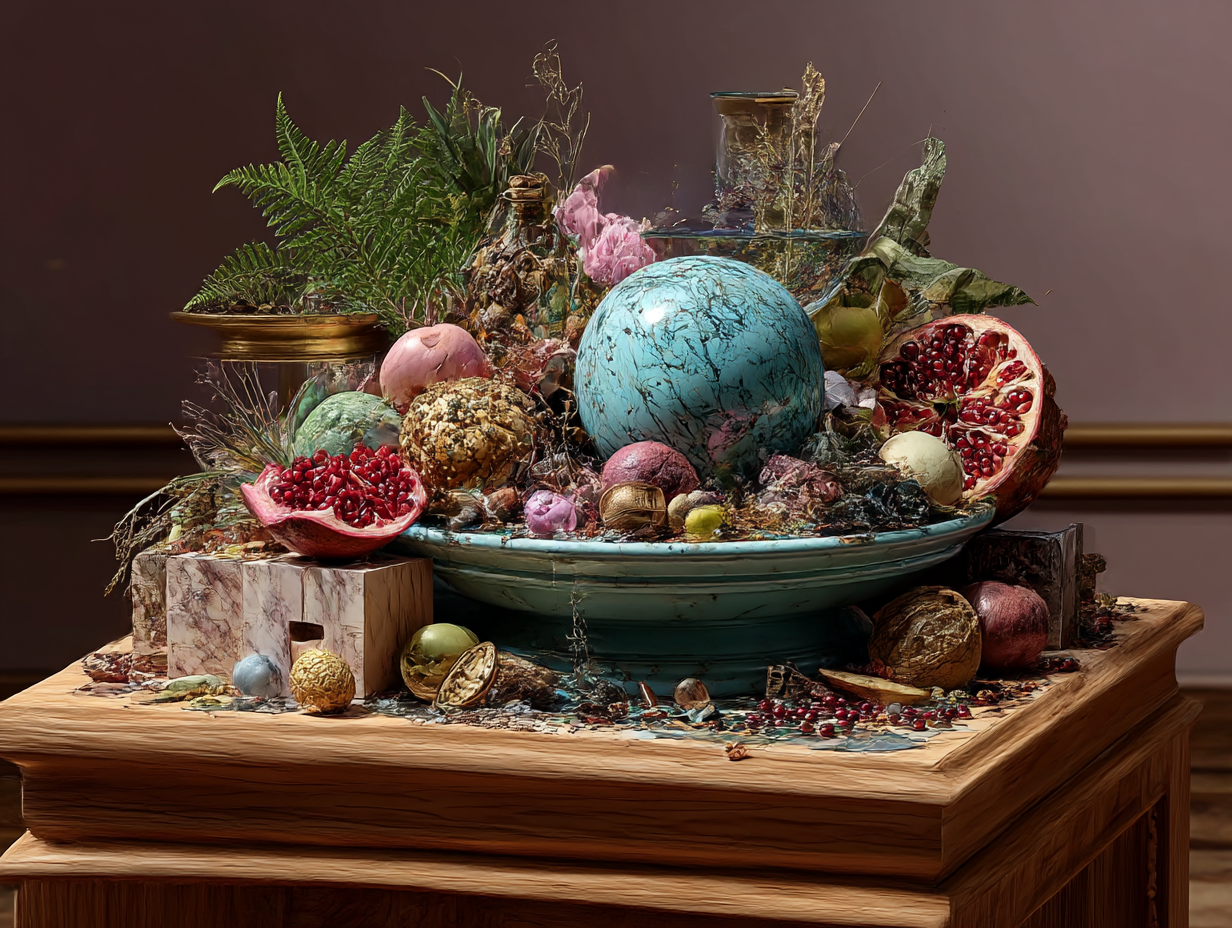
The Cult of Quirk: Are We Complicit?
Scroll your feed: we “like” and post the weirdest AI-generated images. Human curation amplifies the Surrealist bias. In effect, we define “algorithmic creativity” every time we upvote a melting camel or reality-warped bouquet.
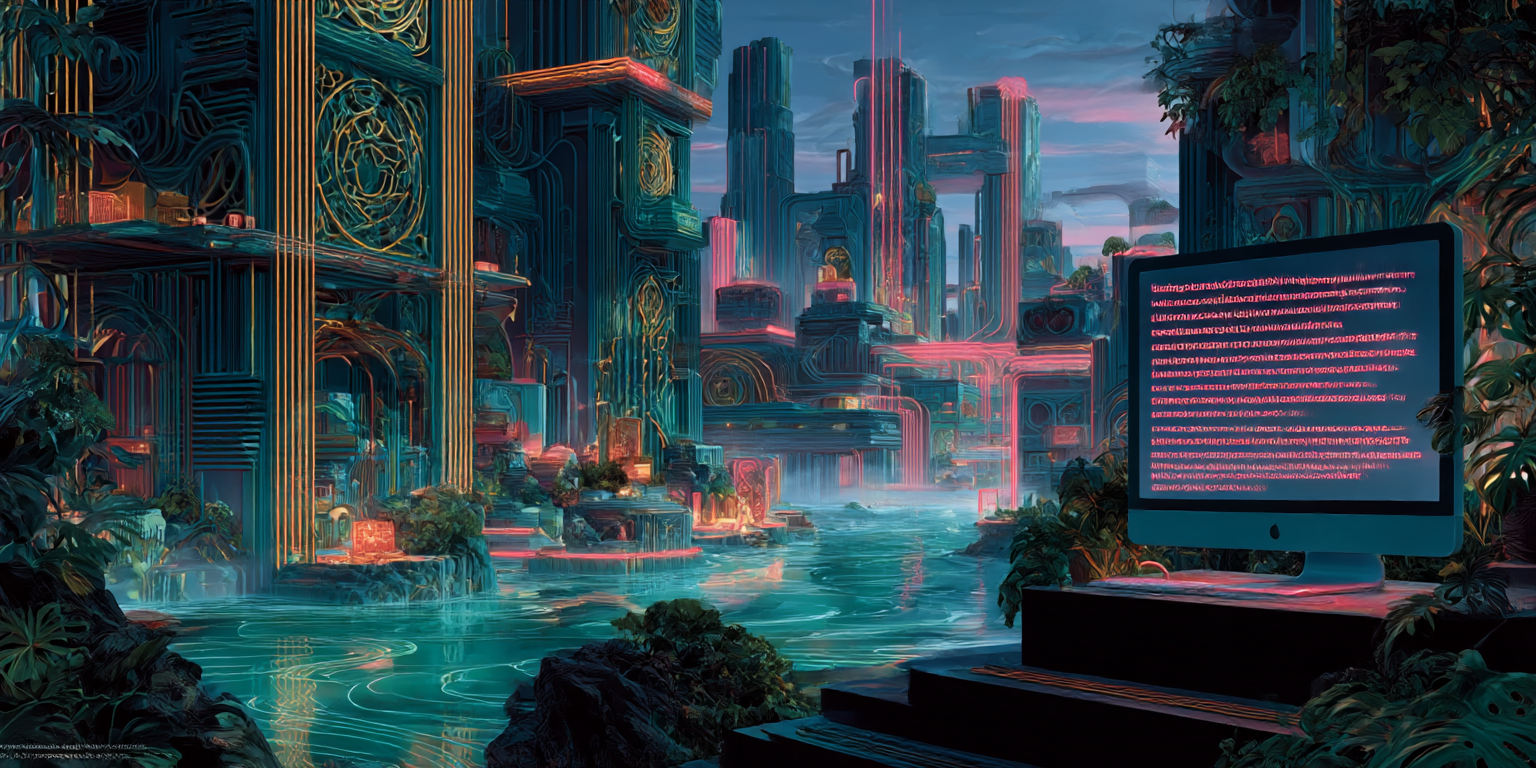
Machine Learning Models: Not Built for Now
Contrary to marketing, StyleGAN3 doesn’t “understand” the 2020s—just a century of outliers. When asked for 2020s style, GANs deliver fever dreams. They mimic the last memorable design paradigm, which is usually “Dali dialed to 11.”
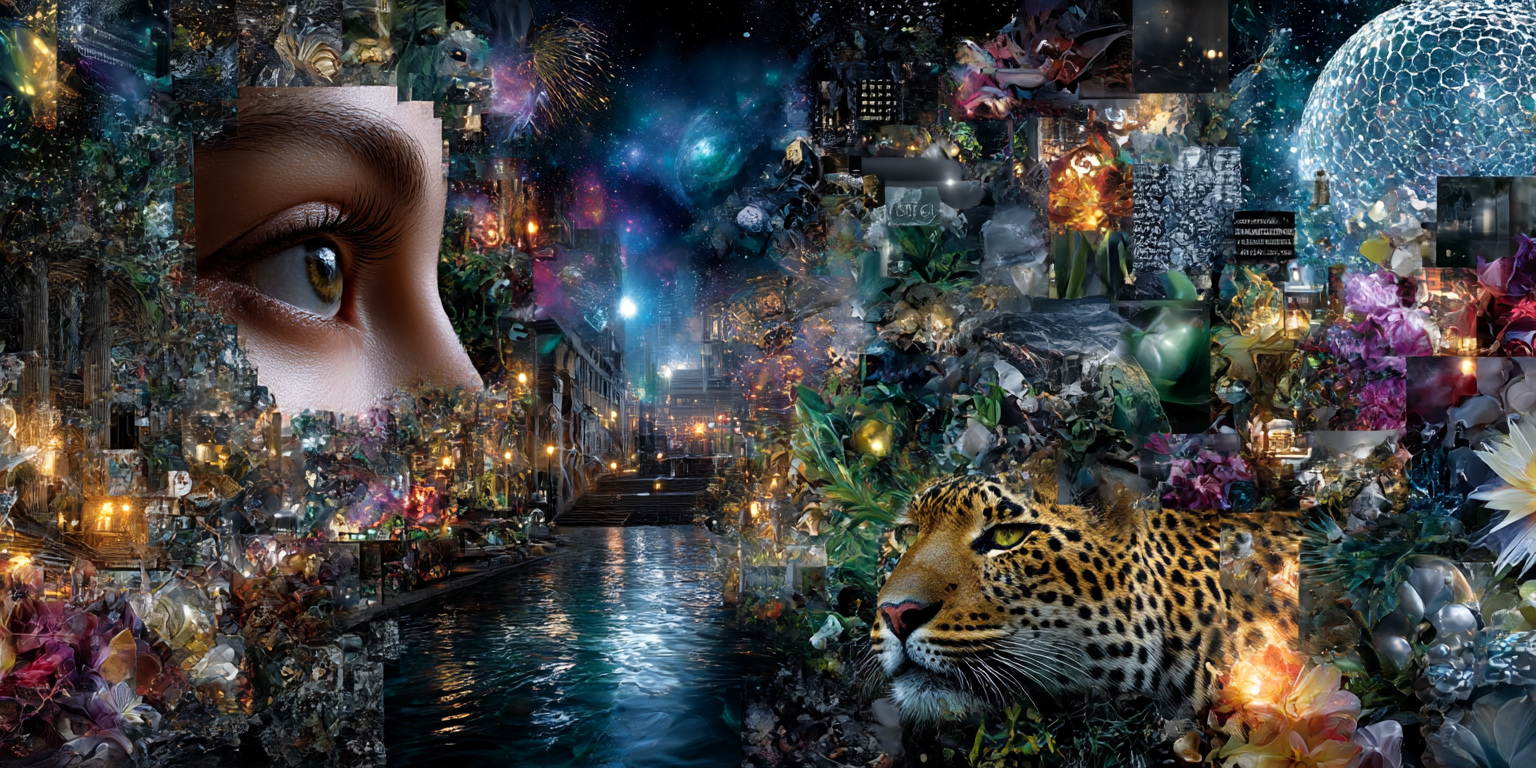
What It Reveals About Us (and Our Taste)
The real finding? We want surprise, ambiguity, and art that triggers a clinical audit—not sterile vectors. AI art mirrors our yearning for subversion. If we wanted 2020s restraint, we’d decorate with PowerPoint slides and Excel macros (which, incidentally, are never interesting or subversive).
“Your neutral GAN is unavailable—please enjoy this certified surreal hallucination while you wait.”
So if StyleGAN delivers more Dali than Dublin, blame datasets, algorithms, our own curation—and maybe our collective nostalgia for a time when rebellion was the only real prompt.